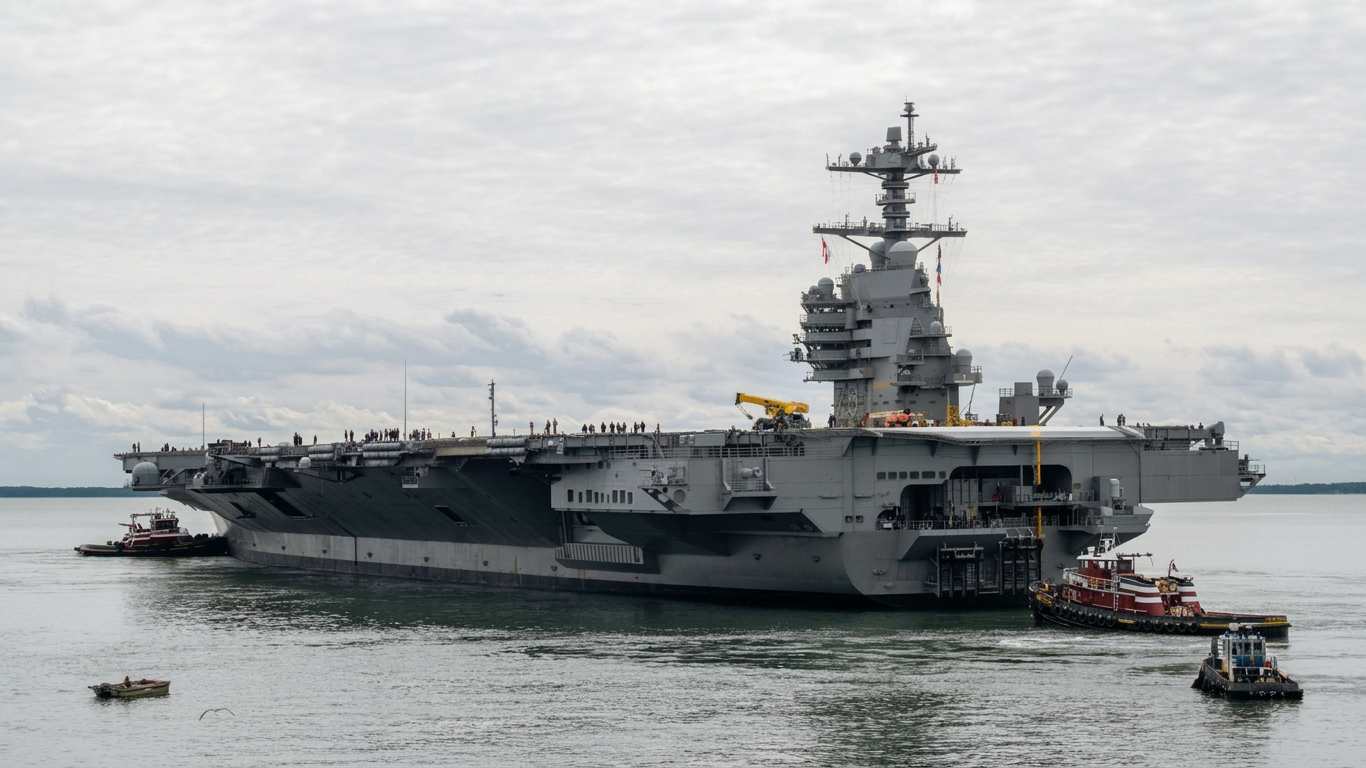
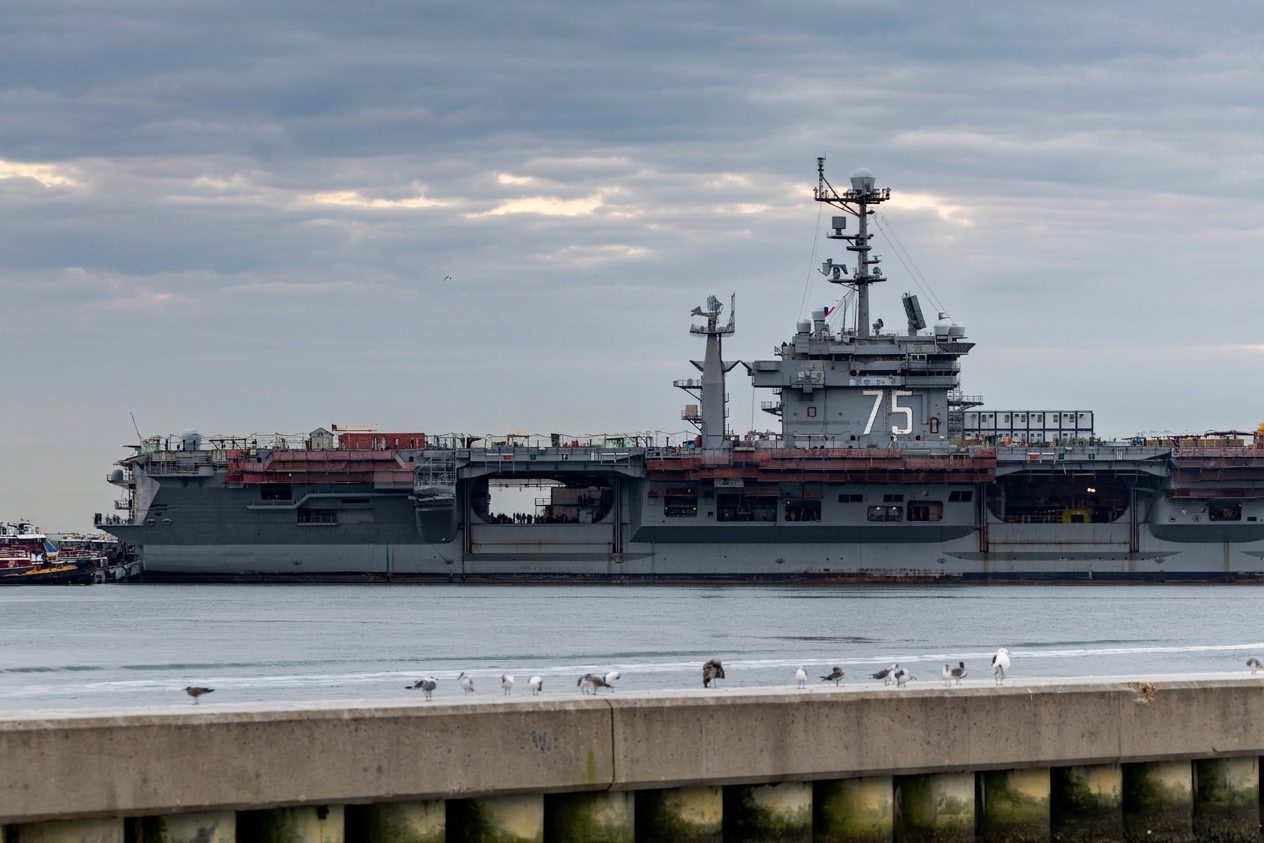
U.S. Navy has taken “preliminary acceptance” of its second Gerald R. Ford-class nuclear-powered aircraft carrier, the future USS John F. Kennedy (CVN 79), from HII Newport News Shipbuilding (HII-NNS), on Sept. 29. The preliminary acceptance, which followed the successful completion of acceptance trials in August, will allow the ship and its crew to conduct at-sea testing and build proficiency underway while the shipbuilder completes final ship systems testing prior to formal delivery of the ship in Spring 2027. The carrier departed NNS on Sept. 29 and will transition to Naval Station Norfolk. According to the Navy, John F. Kennedy is approximately 99 percent complete, with all major systems completed. The shipbuilder is currently completing final ship systems testing, including testing of the remaining four Advanced Weapons Elevators (AWEs). A Navy statement said that the “preliminary acceptance allows CVN 79 to be delivered to the U.S. Navy on the fastest path possible to achieve combat readiness.”

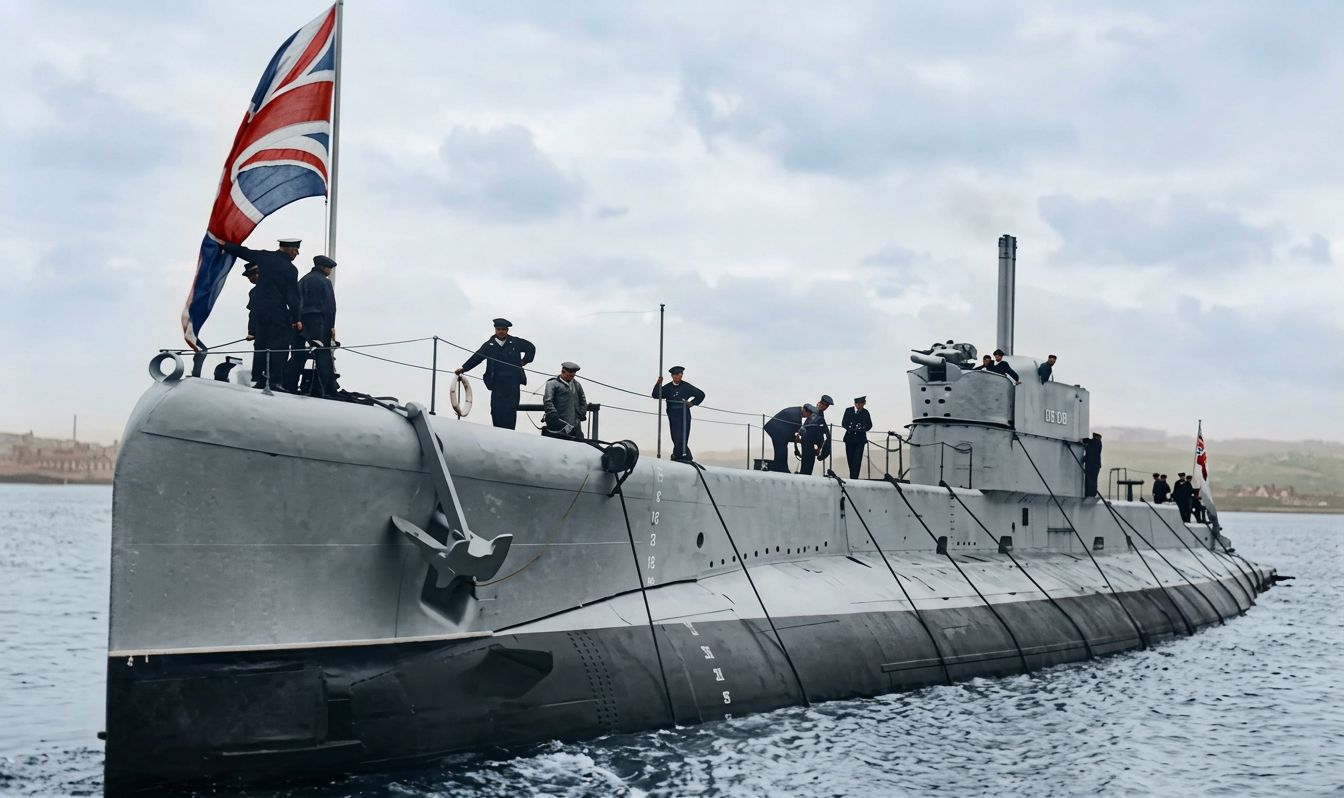
On this day, 100 years ago in 1926, the Royal Navy launched its first named operational submarine (until that point, boats were only given numbers), HMS Oberon, at Chatham Dockyard. She would serve in UK waters and the Mediterranean & was a training boat in WW2 after which she paid off.

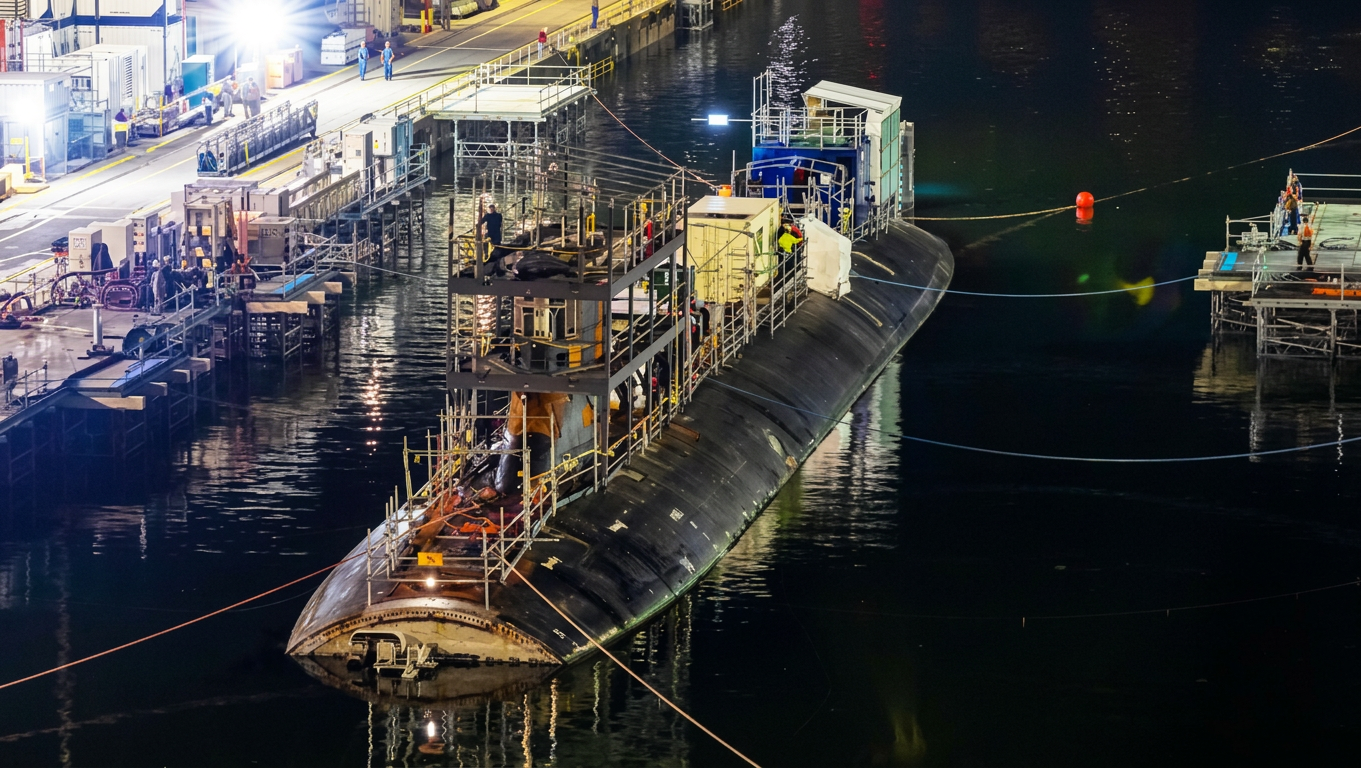
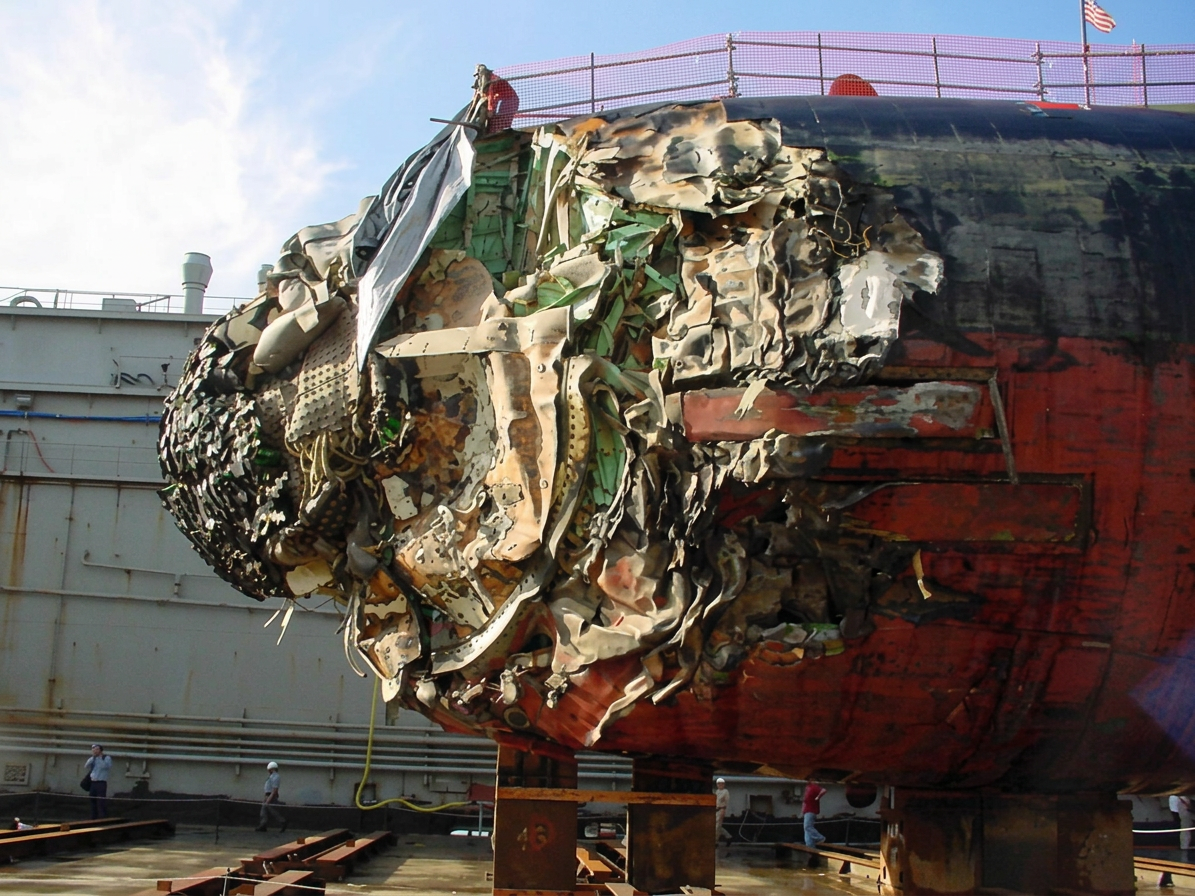
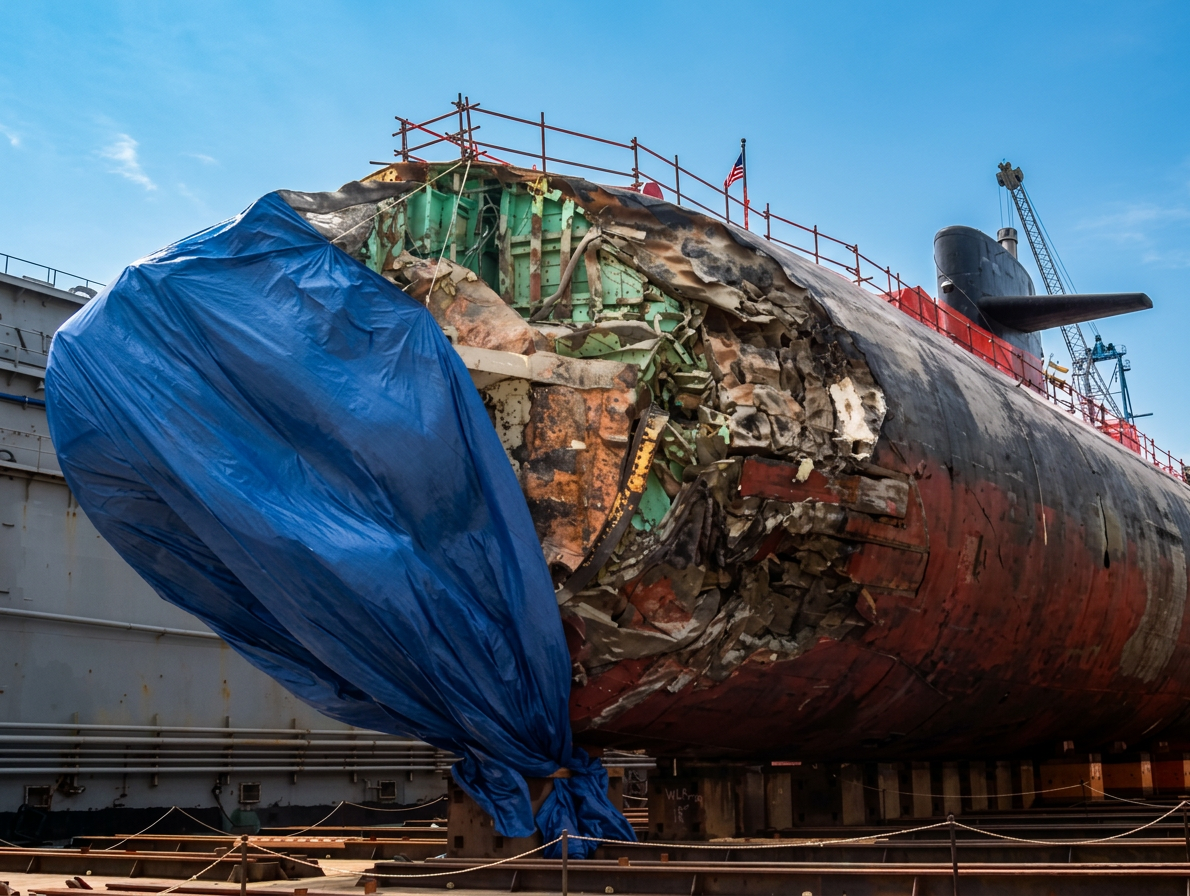
The U.S. Navy announced a $5.1 billion contract issued to Huntington Ingalls Industries’ Newport News Shipbuilding for the Refueling and Complex Overhaul of the USS Harry S. Truman. The multi-year, mid-life maintenance process involves refueling two nuclear reactors and modernizing systems to keep the vessel operational for another 25 years. This carrier is the eighth Nimitz-class supercarrier to undergo an RCOH and the first under the Portfolio Acquisition Executive Maritime. In addition to standard maintenance, NNS will repair exterior cosmetic damage from a February 2025collision with the cargo ship Besiktas-M near the Suez Canal. The overhaul is expected to take at least three to four years, with the ship scheduled to complete the process in November 2031.

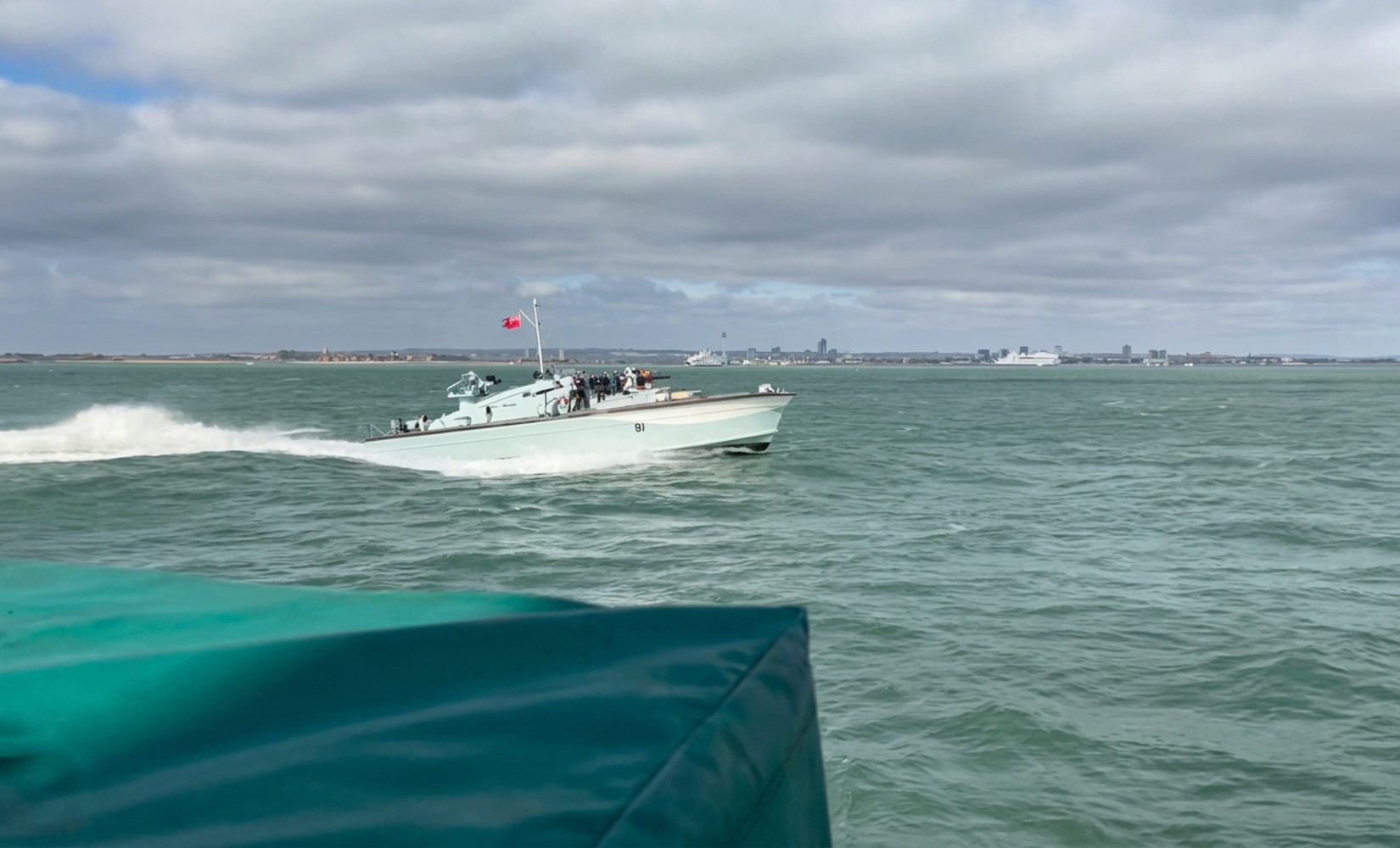
Motor Gun Boat 81 is the only fully restored and operational Royal Navy Coastal Forces motor gunboat from World War II. Built in 1942 by the British Power Boat Company in Hythe, she was commissioned on July 11, 1942. Known as a “Spitfire of the seas,” she fought in the English Channel and North Sea, attacked enemy E-boats, escorted convoys, and took part in the D-Day landings at Omaha Beach (renumbered as MTB 416 later in the war). Design: 71.5 feet long with a double-diagonal mahogany side and triple-diagonal mahogany bottom hull. Here, seen on the Solent.

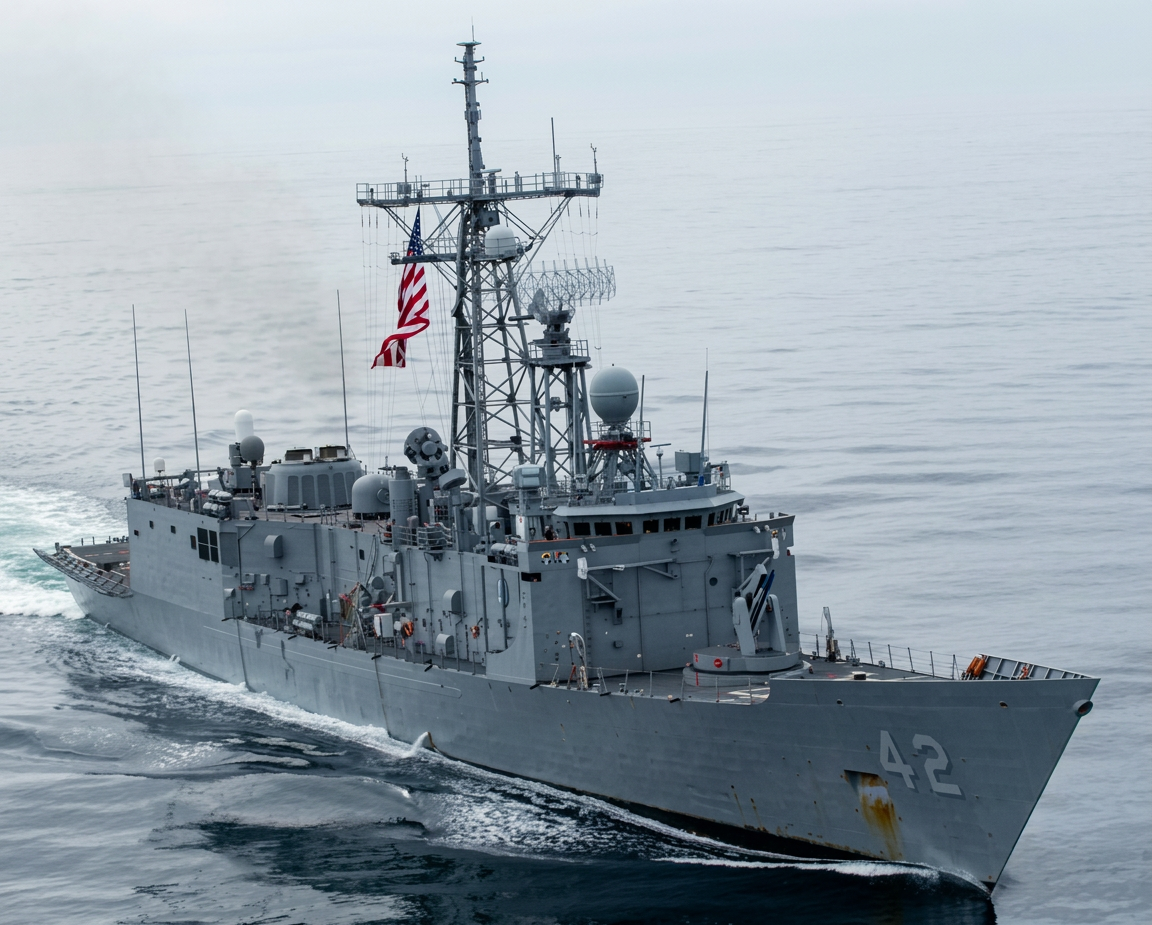
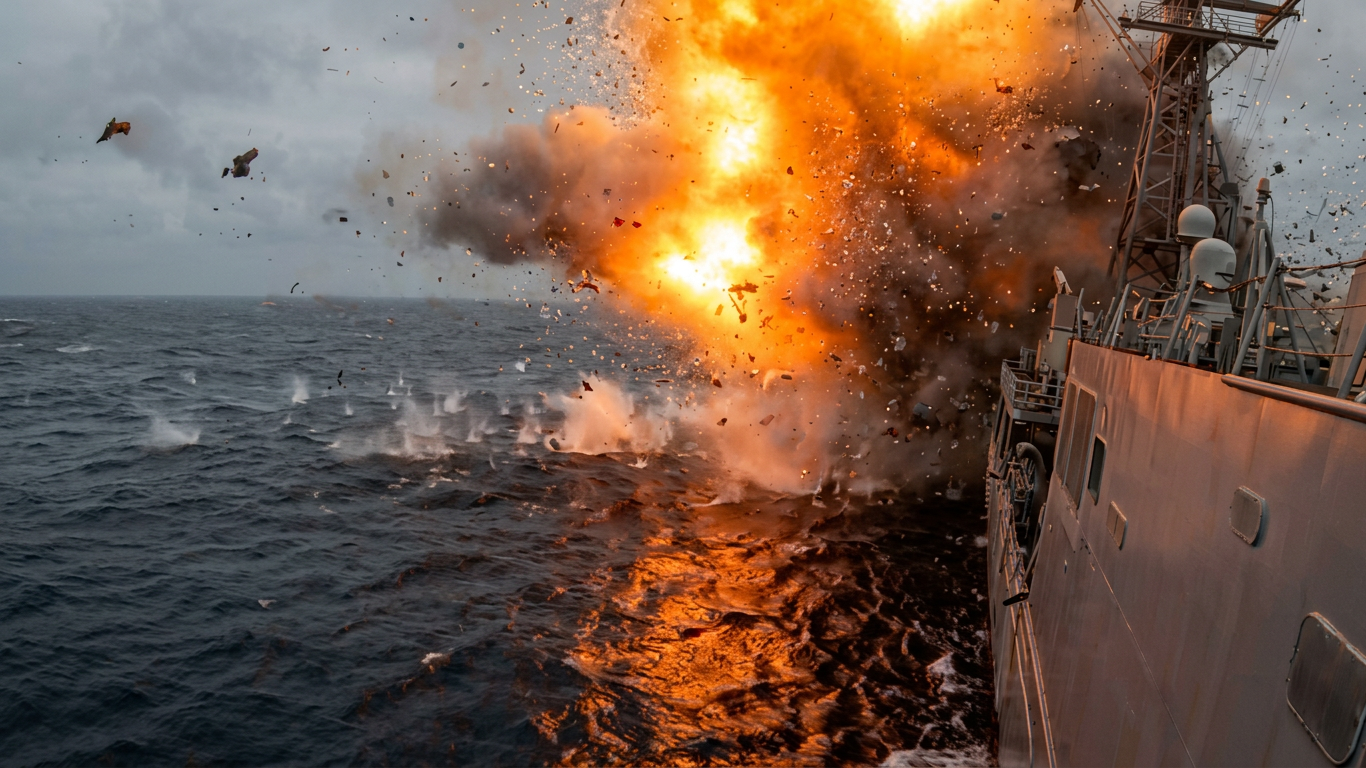
USS Krakring was sunk during the exercise Atlantic Thunder 2026 off the northwest coast of Scotland. It was struck by weapons, including a missile fired from USS Paul Ignatius and bombs dropped by F-15Es flying from RAF Lakenheath.

https://ukdefencejournal.org.uk/american-warship-sunk-by-missiles-off-scotland-in-live-fire

https://ukdefencejournal.org.uk/british-and-us-forces-obliterate-target-off-scottish-coast/

https://www.facebook.com/watch/?v=1698157938541872

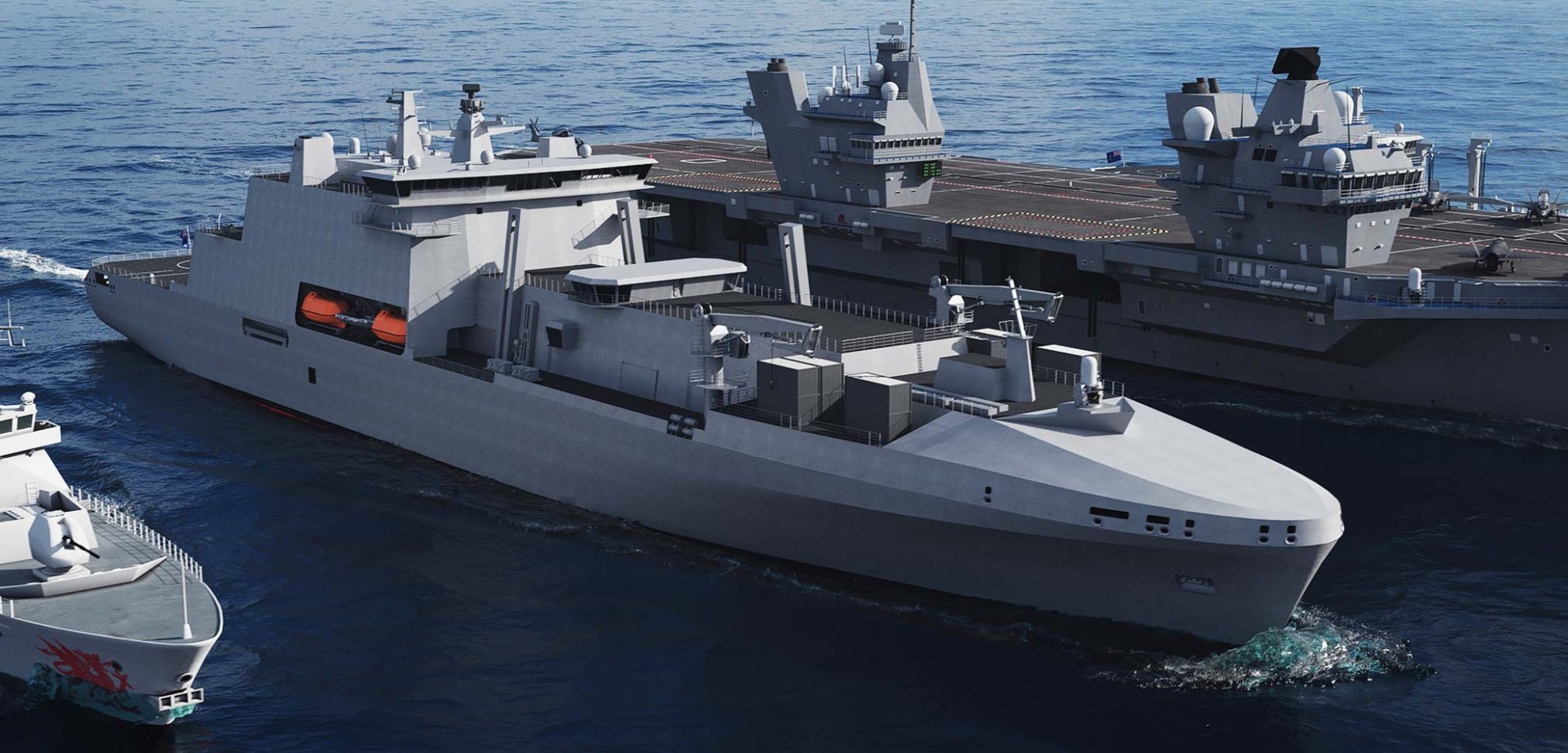
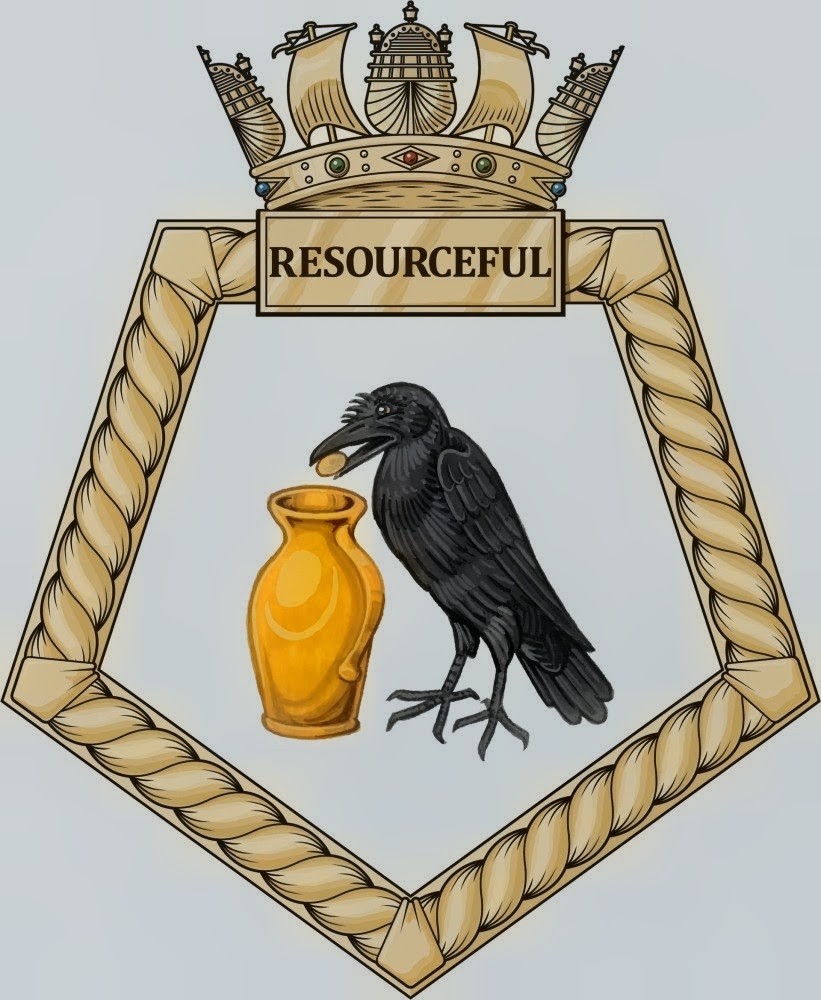
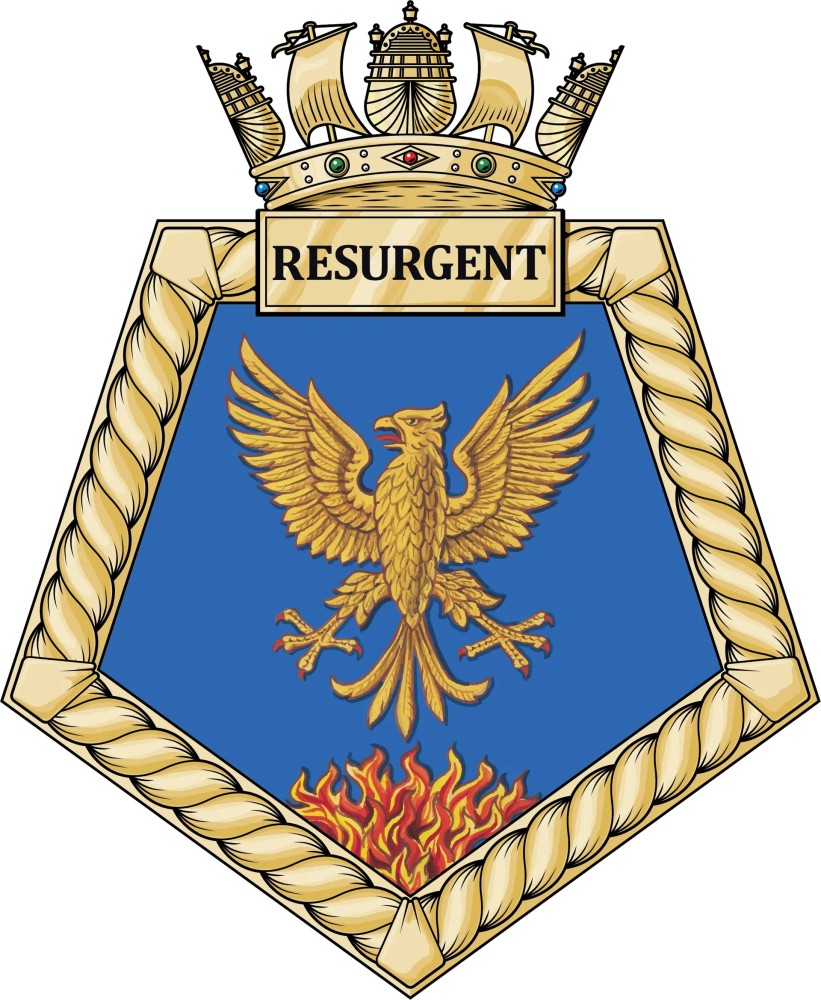
Navantia UK has laid the keel for the first new Royal Fleet Auxiliary Fleet Solid Support vessel, RFA Resurgent, at its Appledore shipyard in North Devon.

https://navantia.co.uk/2026/09/03/keel-laid-for-first-fleet-solid-support-ship-as-assembly-begins-at-appledore

NATO Thwarted Russia’s Secret Sabotage Plan!

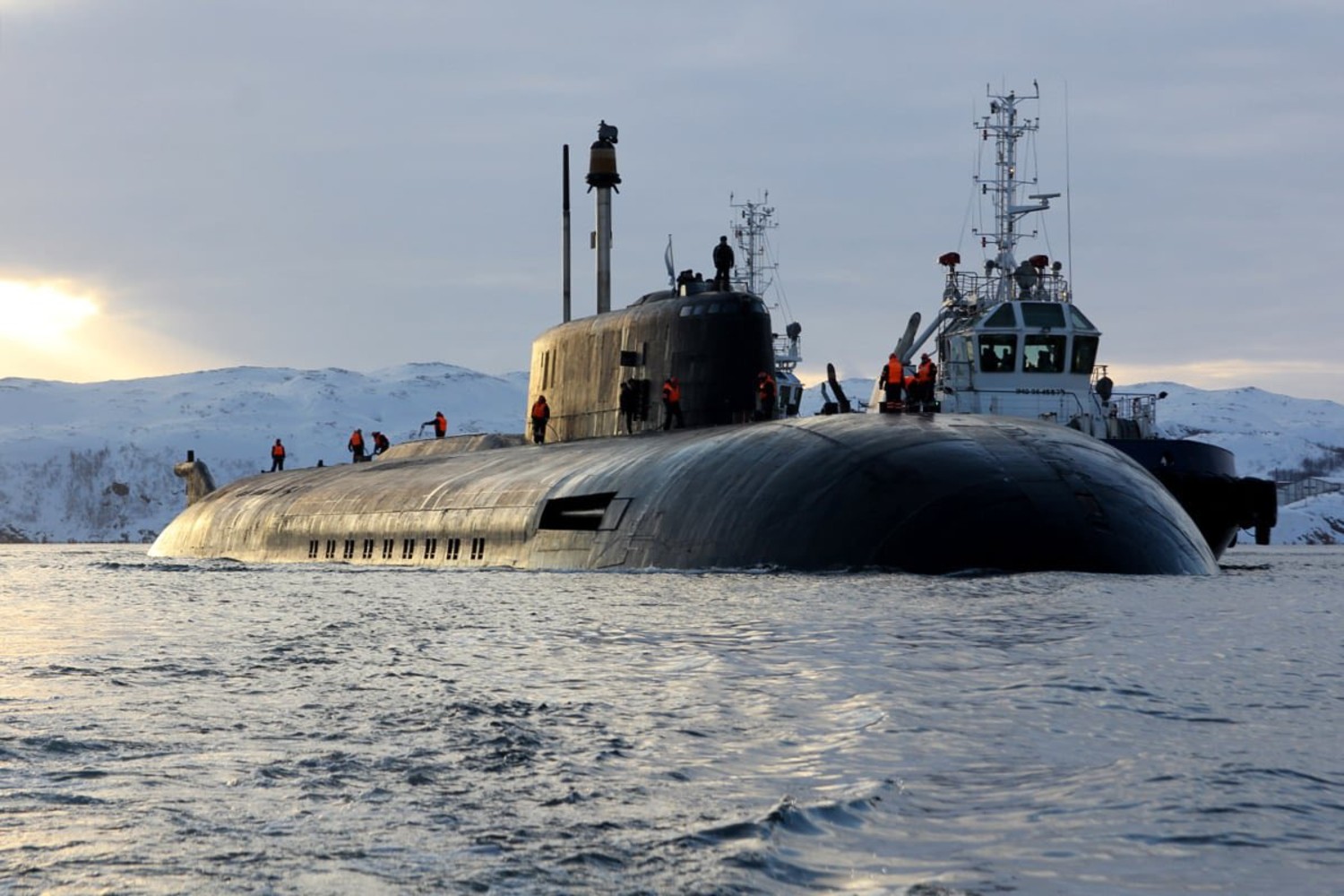
According to Reuters, this spring, NATO allies caught Russian submarines in the Arctic waters off Svalbard while they were testing a new technology to disable critical undersea cables without leaving a trace. The operation was being carried out by Russia’s deep-sea warfare unit GUGI. A joint operation by the UK, Norway, and the US tracked the Russian vessels and forced them to leave the area. Two 1,400-km fiber-optic cables, stretching 2,700 meters deep, connecting Svalbard to mainland Norway, were the target. — They carry data for SvalSat, the world’s largest satellite ground station, also used by NASA. Russia did not damage any cable; the exercise was solely intended to simulate how the technology would be used in a future conflict.